

Product Photography in Canada: What Every Brand Needs to Know
Product Photography in Canada:
What Every Brand Needs to Know

Whether you sell on Amazon Canada, Shopify, or at local retailers across Toronto and the GTA your product images are the single most powerful tool you have to convert a browser into a buyer. This guide covers everything Canadian brands need to know before booking a product photography session.
75%of online shoppers rely on product photos to make a purchase decision
22%fewer returns when products are shown from multiple angles
3×more engagement on social media with professional product images
Why Professional Photos Matter in the Canadian Market
Canada's e-commerce market has grown enormously. Shoppers on platforms like Amazon.ca, Etsy, and Shopify-powered stores have endless choices and they make snap judgments based on visuals alone.
A blurry photo taken on a kitchen counter sends one message: this brand doesn't take itself seriously. A crisp, well-lit image on a clean white background or a carefully styled lifestyle shot sends another: I can trust this product.
In a crowded marketplace, your product photo is your first impression, your sales pitch, and your brand story — all at once. You get about 2 seconds before a potential customer scrolls past.
The Main Types of Product Photography
Different businesses need different styles. Here's a breakdown of the most common types we shoot for Canadian brands:
E-COMMERCE
White Background / Cut-Out
Required for Amazon, Walmart.ca, and most marketplaces. Clean, accurate, named to your SKUs.
BRANDING
Lifestyle Photography
Product shown in real-world context. Perfect for social media, ads, and brand storytelling.
DETAIL
Close-Up & Macro
Showcases texture, craftsmanship, and quality. Ideal for jewelry, skincare, and food products.
PACKAGING
Flat Lay / On-Surface
Styled arrangement of products on a surface. Popular for unboxing, gifting, and cosmetics.
What to Expect From a Product Photography Session in Toronto
If you've never worked with a professional product photographer before, here's a clear picture of how the process works at SHM Photography:
Consultation:We discuss your brand, your platforms (Amazon, Shopify, Instagram), and the mood you're going for.
Ship or bring products:Canada-wide ship-in service available with secure handling — you don't need to be in Toronto.
Shooting day:We handle lighting, styling, and creative direction. You get consistent, on-brand results.
Post-production:Colour-accurate retouching, background removal, file delivery optimized for your platform.
Fast turnaround:Most projects delivered within 3–5 business days.
PRO TIP
Before your shoot, prepare a simple shot list — write down every angle and variation you need. This saves time and money, and ensures you never leave a session missing a critical image.
Amazon Canada & Shopify: Platform Requirements
Each platform has specific technical requirements. Not knowing these before your shoot can mean unusable images.
Amazon.ca Requirements
Main image: pure white background (RGB 255, 255, 255)
Product must fill at least 85% of the image frame
Minimum 1,000 pixels on the longest side (1,600+ recommended for zoom)
No watermarks, text, or props on the main image
Shopify / Your Own Store
Consistent aspect ratio across all products (usually 1:1 square)
Lifestyle images perform well on collection and homepage banners
Minimum 2,048px for retina displays
WebP format for faster loading (we can deliver this)
How Many Photos Does Your Product Need?
A common question from Canadian brands new to professional photography. Our recommendation:
E-commerce minimum:5–7 images per product (front, back, side, detail, lifestyle, scale shot)
Amazon listings:Use all 9 available image slots listings with 9 images consistently outperform those with fewer
Social media:10–15 lifestyle and detail shots per product gives you 2–3 weeks of content
Choosing a Product Photographer in Canada
Not all photographers understand e-commerce. When evaluating studios, ask these questions:
Do you have experience with Amazon/Shopify product requirements?
Can you handle colour-accurate editing (especially important for fashion and cosmetics)?
Do you offer ship-in service for brands outside Toronto?
What is your turnaround time?
Can I see examples of white-background vs. lifestyle work?
At SHM Photography, we've spent over 18 years perfecting product photography for Canadian brands — from small Etsy shops to multi-SKU Amazon sellers shipping across North America.
THINK OF IT AS AN INVESTMENT
A professional photo that helps sell even 10 extra units of a $40 product pays for itself. Poor product images, on the other hand, cost you sales every single day — silently.
Ready to Elevate Your Product Photography?
Whether you're launching a new product line, refreshing your Amazon listing, or building a brand presence on social media we're here to help you create images that sell.
Let's Shoot Your Products
Based in Toronto. Serving brands across Canada. Ship your products to us or visit our Studio.
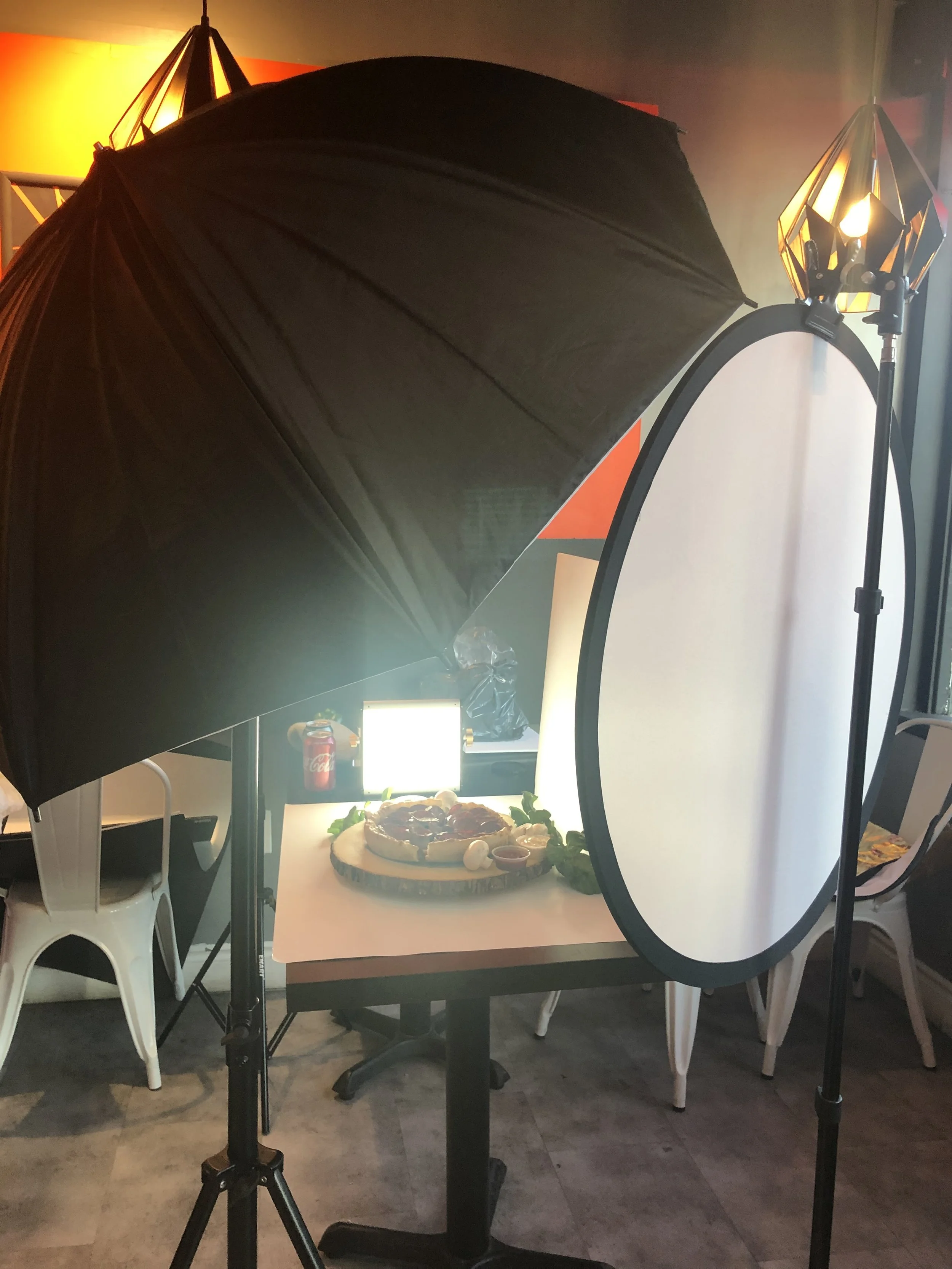
10 Food Photography Mistakes Toronto Restaurants Make
10 Food Photography Mistakes Toronto Restaurants Make
Restaurants spend thousands on decor and menus but still lose customers because of bad photos.
Restaurant owners spend thousands on décor and menu development, yet many still lose customers because of poor photography.
1. Dark Images
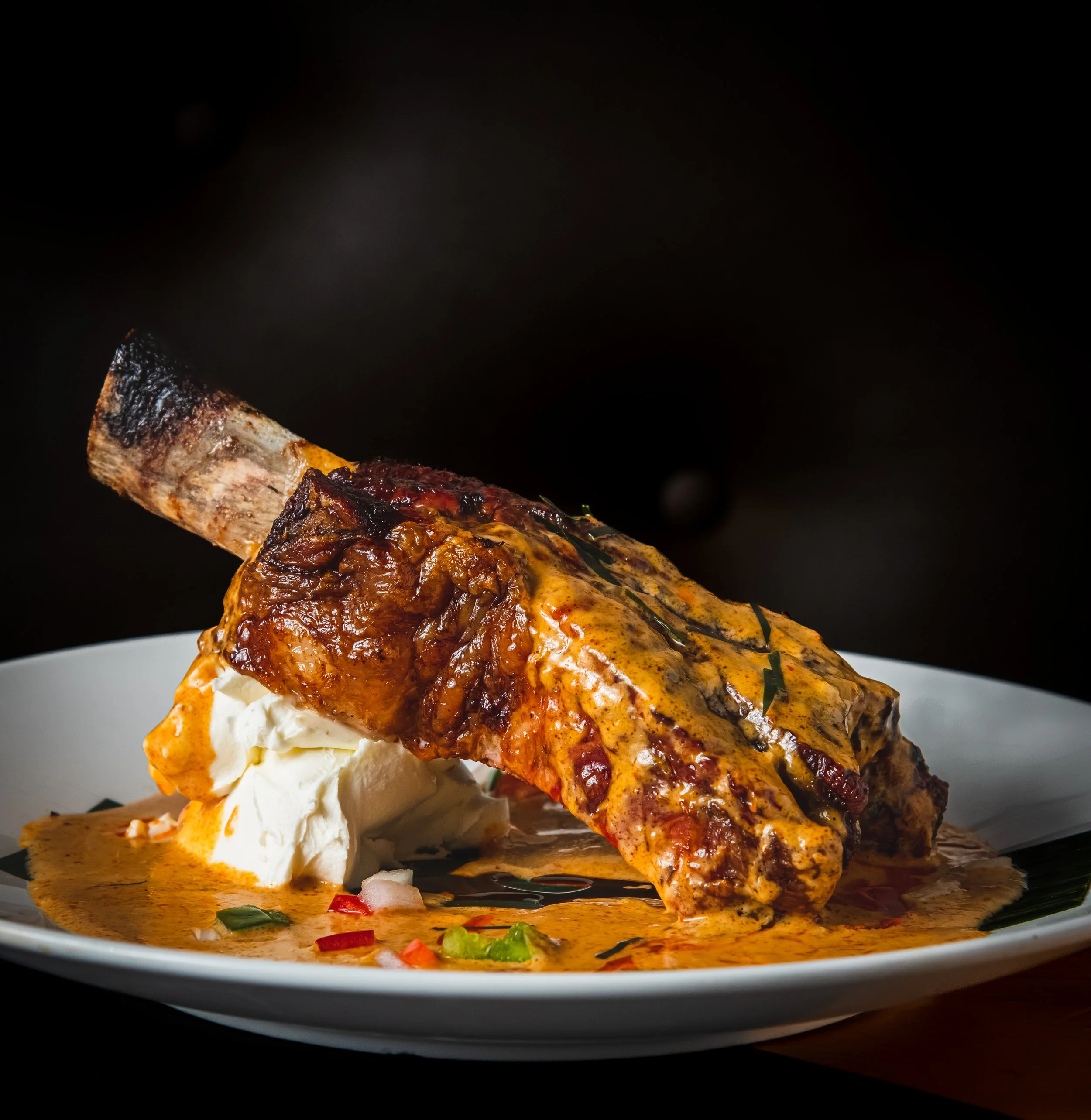
Food should look fresh, vibrant, and inviting.
2. Too Many Dishes in One Frame
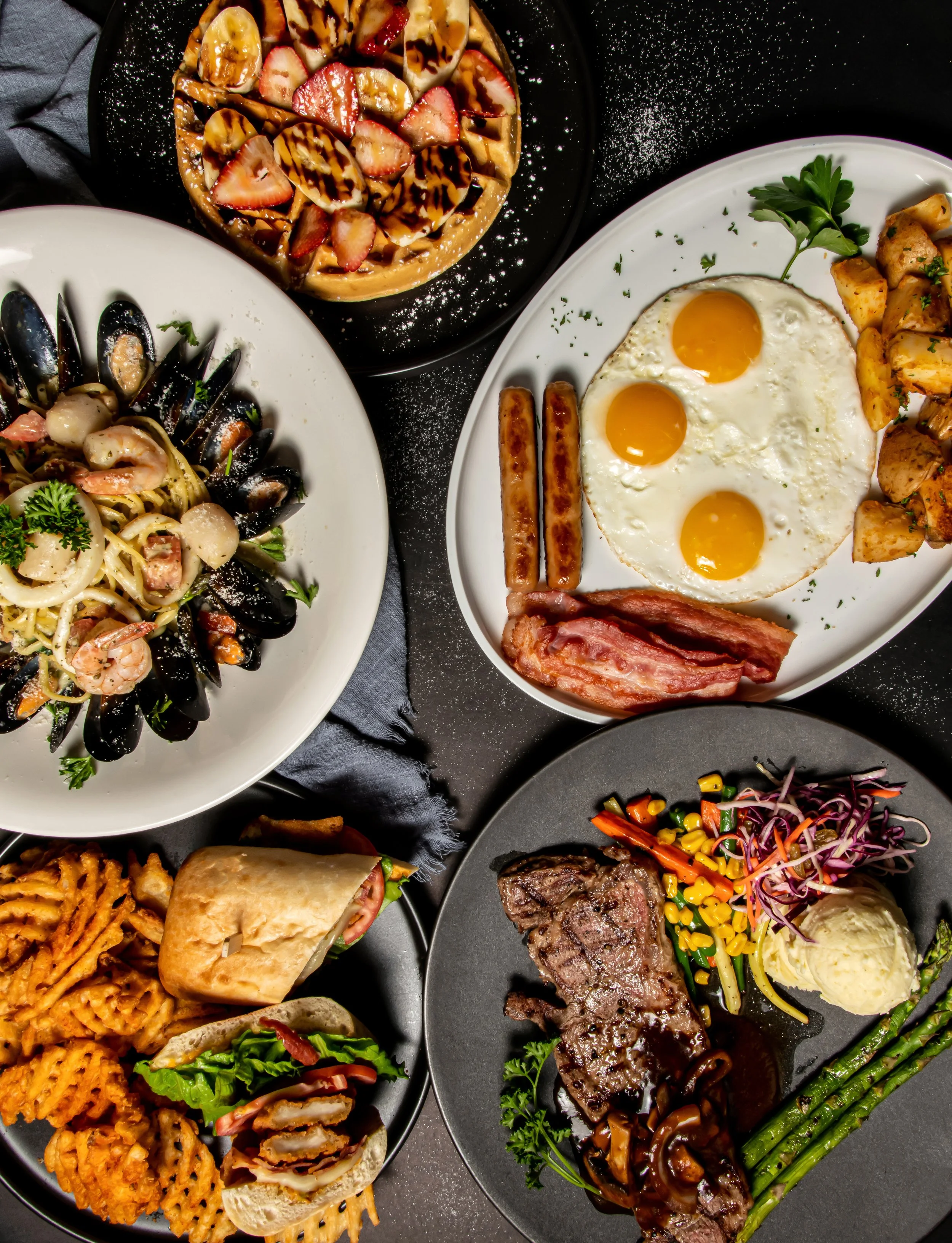
Customers should immediately know what they are looking at.
3. Inconsistent Lighting
Consistency builds trust and strengthens brand identity.
4. Ignoring Detail Shots
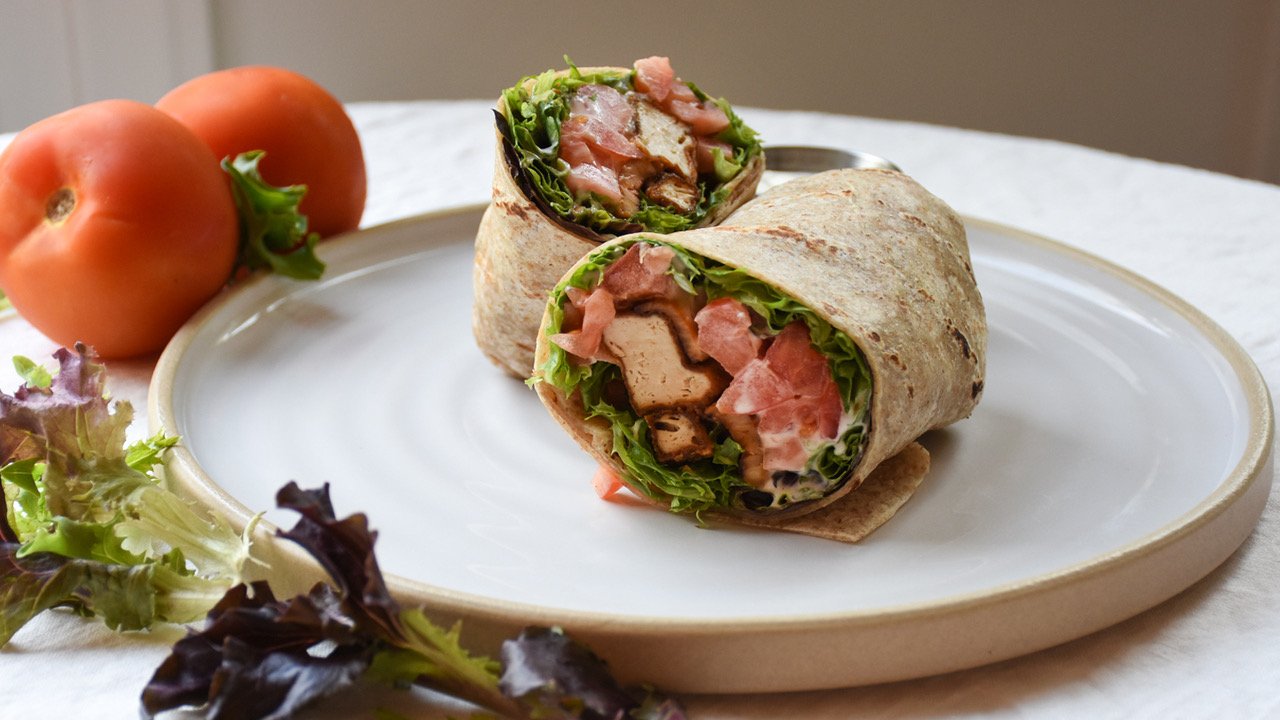
Close-ups of texture, sauces, and ingredients create appetite appeal.
5. Using Smartphone Photos for Menus
Professional photography communicates quality and professionalism.
6. Poor Color Accuracy

Customers expect food to look the same in real life.
7. No Beverage Photography
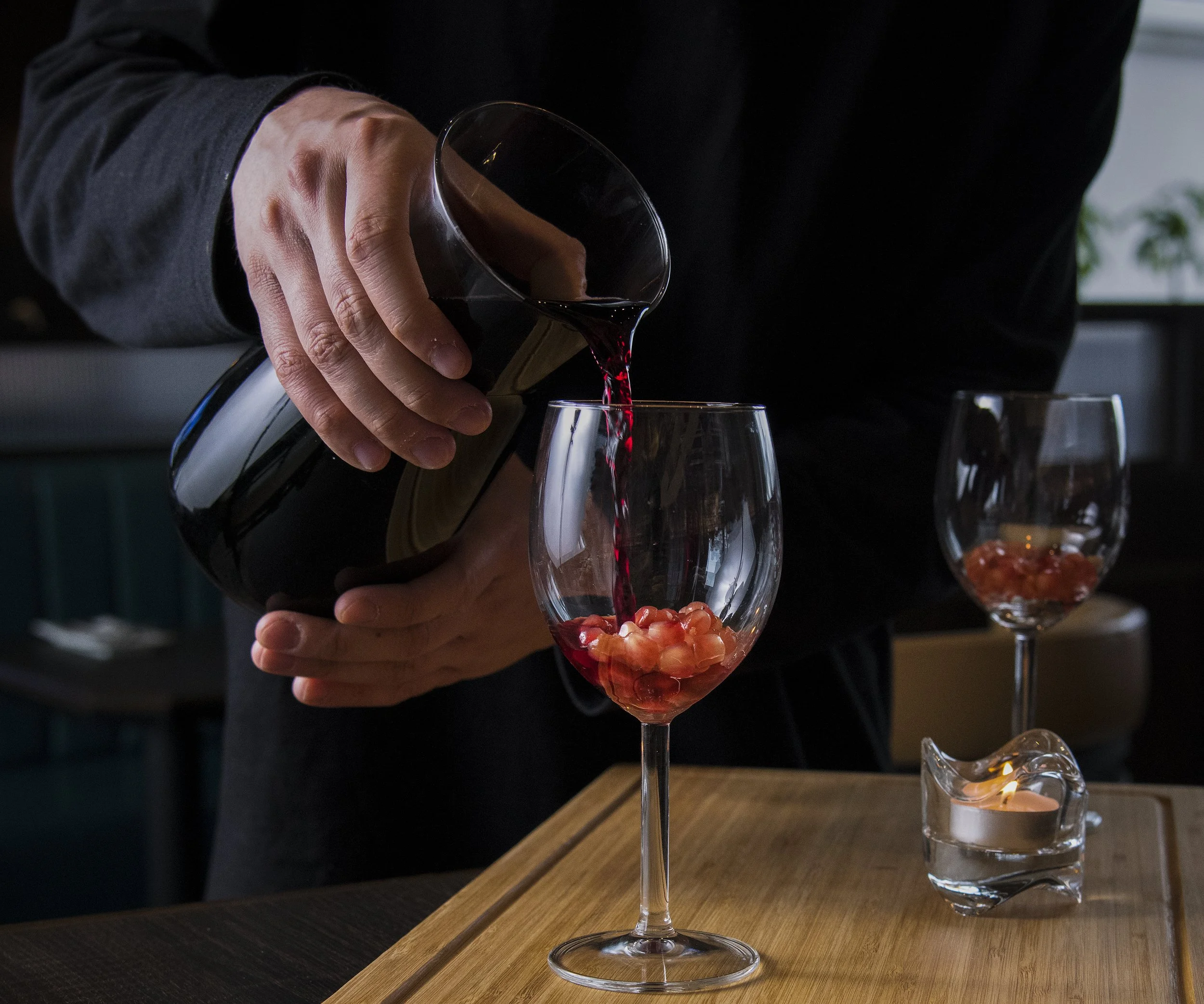
Drinks often generate strong visual engagement.
8. No Behind-the-Scenes Content
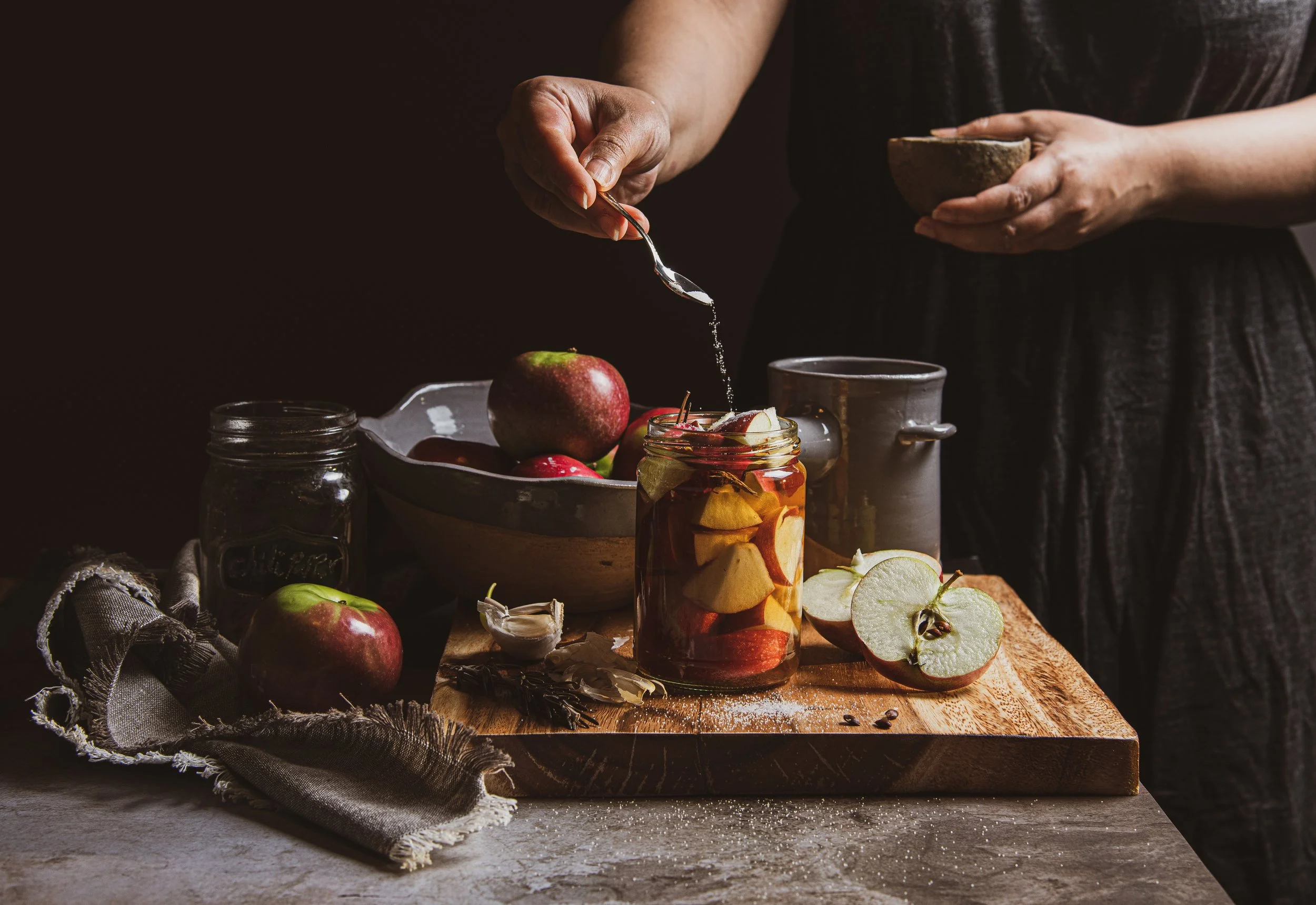
Customers enjoy seeing chefs and preparation.
9. No Interior Photography
Atmosphere is part of the dining experience.
10. Outdated Photos

Menus should be refreshed regularly to reflect current offerings.
Professional food photography boosts restaurant engagement, strengthens branding, and increases sales.
Wells Blog
Duis mollis, est non commodo luctus, nisi erat porttitor ligula, eget lacinia odio sem nec elit. Maecenas faucibus mollis interdum. Nulla vitae elit libero, a pharetra augue.


Praesent id libero id metus varius consectetur ac eget diam. Nulla felis nunc, consequat laoreet lacus id.